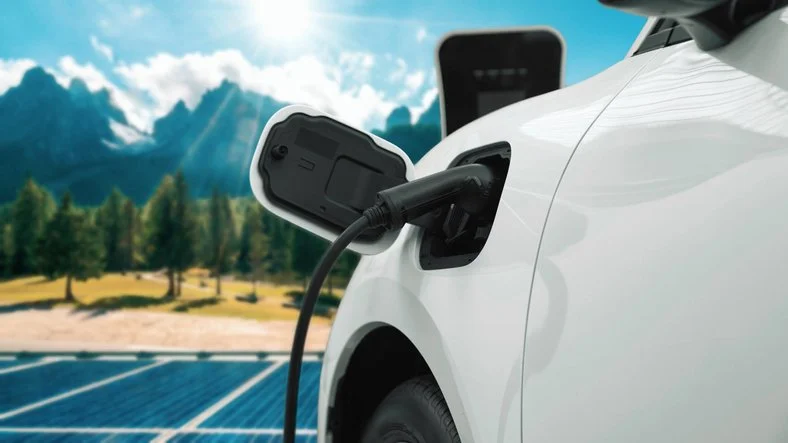
World leaders have set a 25 year timeline to deliver solutions for climate change. Decarbonisation requires electrification and unprecedented levels of new minerals. Resourceful thinking is critical to enable the transformation.

Resource Scarcity.
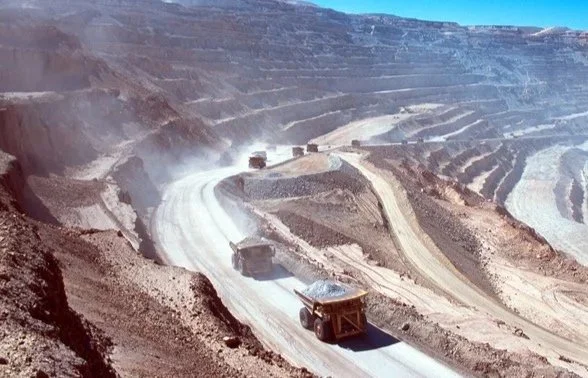
In all of human history, we have extracted some 700 million tons of Copper from the Earth. To meet our clean energy goals, we’ll have to mine as much again in 20-odd years. The International Energy Agency estimates by 2050, global demand for Cobalt for EVs alone will soar to five times of what it was in 2022. Demand for Nickel will be 10 times higher. Lithium, 15 times.
A new economic war for critical minerals has begun. To build electric vehicles, solar panels, cell phones, and millions of other devices means the world must dig more mines to extract Lithium, Copper, and other vital building blocks.
Metals are natural products, but the Earth does not relinquish them willingly. Mining and mines are hard and expensive, and the talent pool of engineers and mining expertise has declined in Europe and North America. In a world of increasing insecurity there is a worldwide reckoning over the sourcing of necessary materials and equipment, and this will get exponentially more complex.
Every metal and mineral has its own unique supply chain, with the majority dominated by downstream refining or processing in China.

Why Action is Required
The International Energy Agency warns that prospect of a rapid increase in demand for critical minerals, raises huge questions and will require some resourceful thinking.
World leaders have committed and legislated to meet net zero by 2050.
When you consider that Europe’s last major nickel mine located in Finland took 31 years to come online, twenty five years is no time at all.
If that is not hard enough, the European Critical Raw Materials (CRM) Act sets the following legal requirements to be achieved by 2030.
10%
Domestic Extraction
of EU’s annual consumption of strategic raw materials mined within the EU
40%
Domestic Processing
of EU’s annual consumption refined and processed within the EU
25%
Domestic Recycling
of EU’s annual consumption to come from domestic recycling
65%
Max Singe Country Share
ceiling on any one third country's share of a given raw material